
Peach Health Benefits — and Why Juicing Strips Away the Fiber
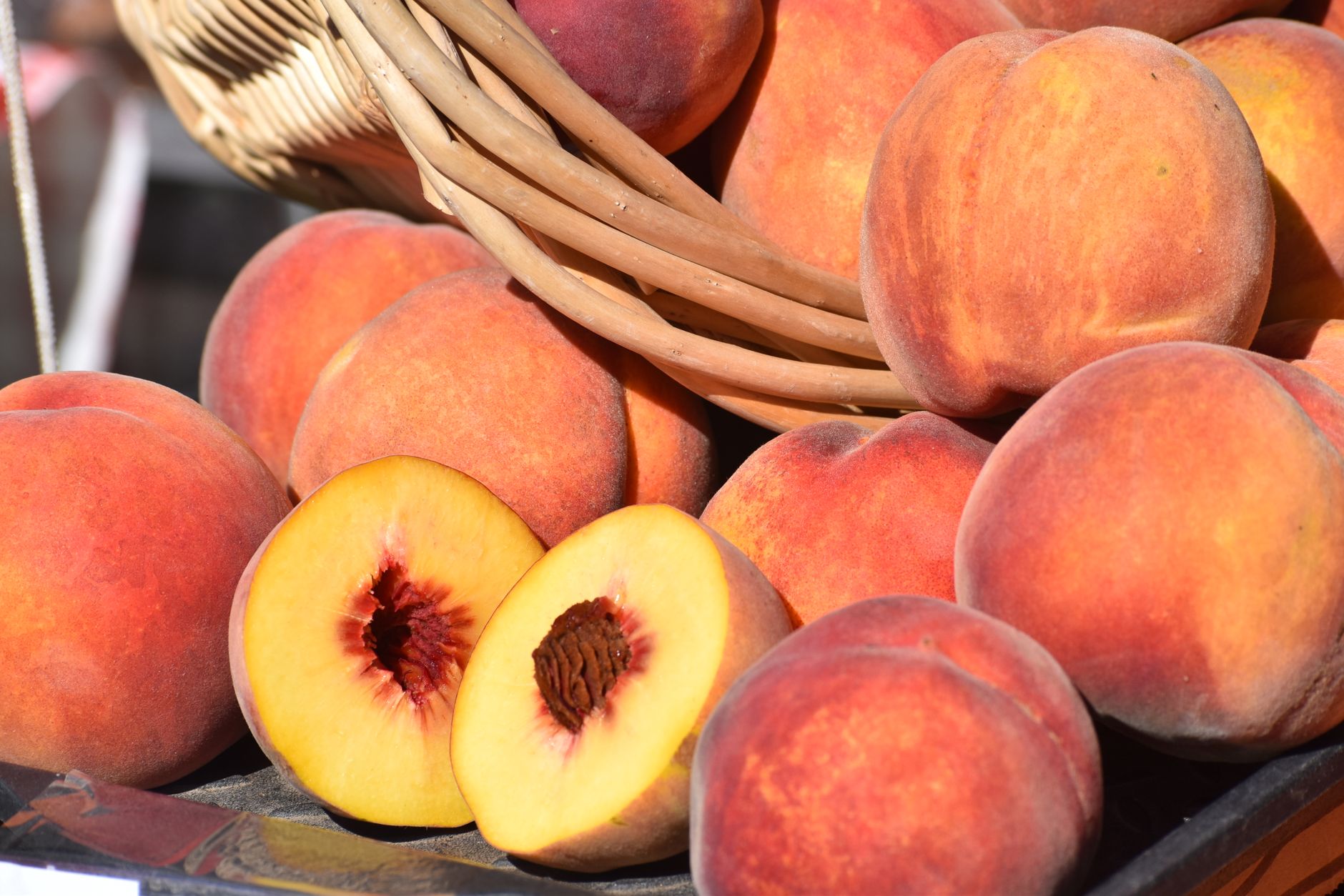
Peaches are one of summer's most reliably delicious fruits — but underneath that sweetness is a genuinely useful nutritional package: fiber, vitamin C, potassium, and a range of antioxidant compounds concentrated mostly in the skin. How you eat a peach changes how much of that package you actually get. Eaten whole, a peach delivers all of it. Juiced, it delivers only part of it — and the part it leaves behind is arguably the most important.
Peach Nutrition at a Glance
A medium peach (roughly 150g) provides approximately:
- 2–2.5g of dietary fiber — split between soluble fiber (mostly pectin) and insoluble fiber, concentrated in the skin and flesh
- Vitamin C — around 10–15% of the Daily Value, supporting immune function and collagen production
- Potassium — roughly 190mg, supporting healthy blood pressure and fluid balance
- Vitamin A (as beta-carotene) — contributing to skin and eye health
- Polyphenols and carotenoids — antioxidant compounds concentrated in the skin, which is why unpeeled peaches offer more than peeled ones
All of this comes in around 55–60 calories, with virtually no fat or sodium.
Health Benefits of Eating Peaches
Digestive health. The fiber in peaches — particularly pectin, a soluble fiber also used commercially as a gelling agent — feeds beneficial gut bacteria and helps keep digestion moving. Fiber also slows the absorption of sugar into the bloodstream, which helps prevent the blood sugar spike that fruit sugar can otherwise cause.
Heart health. Potassium helps counterbalance sodium's effect on blood pressure, and soluble fiber has a modest but real cholesterol-lowering effect by binding to cholesterol in the digestive tract and helping carry it out of the body.
Immune and skin support. Vitamin C is a cofactor in collagen synthesis and supports normal immune cell function, while the antioxidant compounds in peach skin help neutralize oxidative stress.
Satiety and weight management. Fiber adds bulk and slows gastric emptying, which is a large part of why a whole peach is more filling than its calorie count would suggest.
Why Juicing Removes the Fiber
Juicing is a mechanical separation process: the fruit is crushed or pressed, and the machine divides it into two streams — the liquid (juice) and the solid leftover material (called pomace), which is discarded. Fiber, by definition, is the structural, indigestible part of the plant — the cell walls, skins, and pulp matrix. That structural material is exactly what a juicer is designed to filter out, because fiber is what makes pulp solid rather than liquid.
What's left in the glass is mostly water, sugar, and whatever vitamins and minerals happen to be water-soluble enough to stay in the liquid. The pectin, the insoluble fiber, and a meaningful share of the antioxidant compounds concentrated in the skin get left behind in the pomace.
This is the key difference between juicing and blending: a blender liquefies the whole fruit — skin, pulp, and all — without separating anything out. A smoothie made from a whole peach keeps its fiber; a juice pressed from a peach does not.
What You Lose When the Fiber Is Gone
- Blood sugar impact. Without fiber to slow absorption, the natural sugar in peach juice hits the bloodstream much faster than the same sugar eaten inside a whole peach — closer in effect to drinking a sugary beverage than eating fruit.
- Lost satiety. Juice is far easier to overconsume than whole fruit, since it's missing the bulk that signals fullness.
- Reduced gut benefit. Pectin's prebiotic effect on gut bacteria depends on the fiber actually reaching the colon intact — which doesn't happen if it was strained out before you drank it.
- Weaker cholesterol effect. The cholesterol-binding action of soluble fiber requires the fiber to be present in the digestive tract; juice alone can't provide it.
The Takeaway
Peaches are a genuinely nutrient-dense fruit, and most of what makes them good for you is bound up in the fiber that juicing removes. If you want the full benefit, eat the peach whole — skin included, where much of the fiber and antioxidant content is concentrated. If you want it in liquid form, blend it into a smoothie rather than running it through a juicer, so the fiber stays in the glass instead of the compost bin.